

I took a look at my posts and indeed it has been December 2024 since you heard from Tardis, so we’ve missed a year! This blog is supposed to be about building, modifying and maintaining Tardis, and frankly, we are in a slightly boring maintenance phase, hence the lack of posts. But here’s a catchup on what we were up to during good old 2025.
Tardis overwintered at Sunset Harbor Marina north of Baltimore, in a nice cozy rack. Then across the Bay and clear up to Chestertown Marina for a week’s stay on the boat and in B&Bs with Molly. No need to go into details, other than to say that the Eastern Shore of Maryland is just a fantastic place to visit any way you can get there. There’s none of the urban sprawl, 1,000-boat marinas and busy-ness of the western shore (although you can find peace and quiet in Mobjack Bay and some of the little rivers north of there.)
The Eastern Shore, has beautiful quiet anchorages, history,and one of the great Maritime museums of America in St. Michaels. If Connecticut closed down and I had to pick another place to live it would be Oxford, Md.
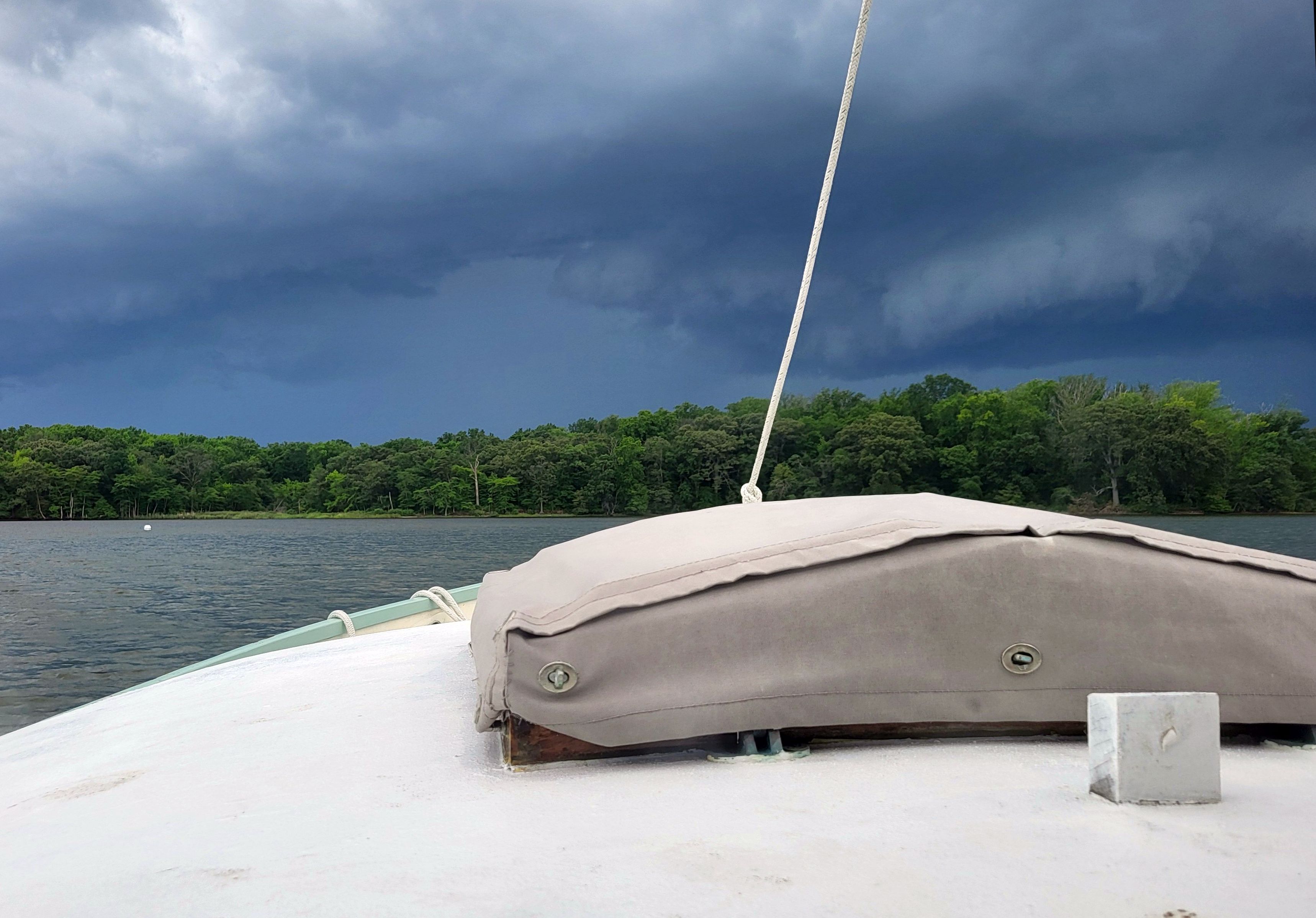
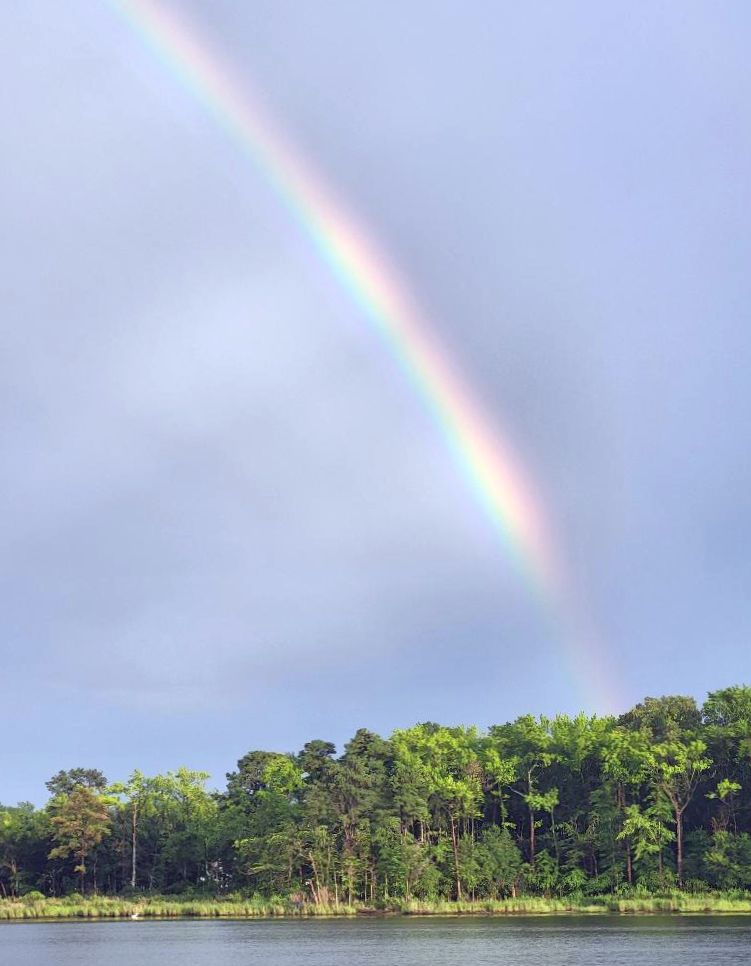
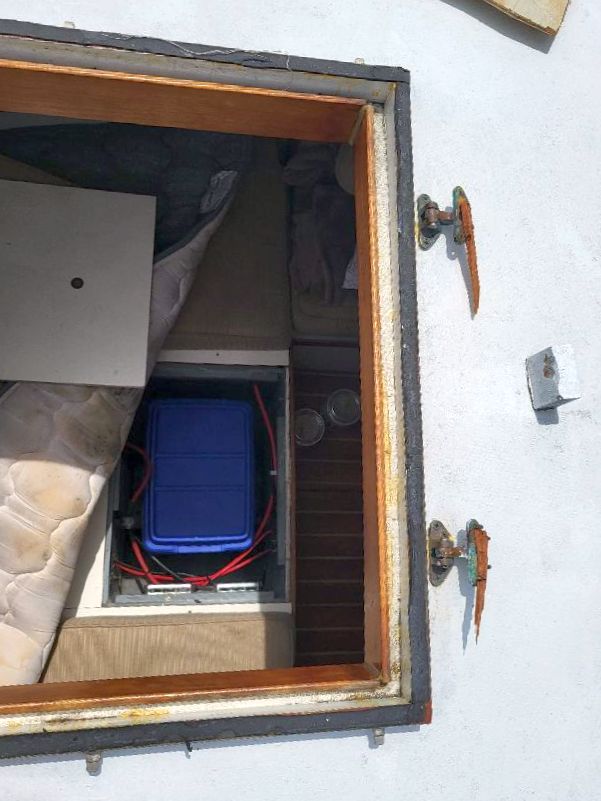
Anyway, I snuck in one more cruise before having the boat trucked home, a circle to Swan Creek north of Rock Hall, around to my favorite anchorage up Gray’s Inn Creek, up Langford Creek and then across to the Magothy River north of Annapolis. I was nosing around the Magothy looking for a pretty anchorage when the radio started blasting out warnings of a severe line of thunderstorms approaching. So, I ducked into the Eagle Cove where I’d been once before– perfectly surrounded by a nature preserve on all sides, decent holding, not too many boats to drag into. A regular thunderstorm started coming in but suddenly, VERY suddenly, the water and air turned white in a tremendous blast of wind and there was absolutely zero visibility. The blast got up under the rain cover over the forward hatch, which must weigh 40 pounds, and tore it off. It landed in the anchor well. Tardis rolled over for a second and the drawers ended up on the floor but then straightened up. I could tell the anchor was dragging in the watery Chesapeake mud, but I wasn’t really worried. The only thing we could hit would be a clay bank that had 3-4 feet of water right up to the edge. Then it was pretty much over and “just” two-foot waves and 30 knots of wind. I had the engine going to fight the dragging, so I brought the anchor up to the roller and re-anchored over by some high trees. Rainbow followed, of course.
Anyway, I was able to strap the hatch back down and over the summer patched in new wood and strengthened the hinge area with backing plates. The month of July was a whole lot of painting over every inch of the boat other than the cabinhouse roof, which is getting some replacement solar panels this year.
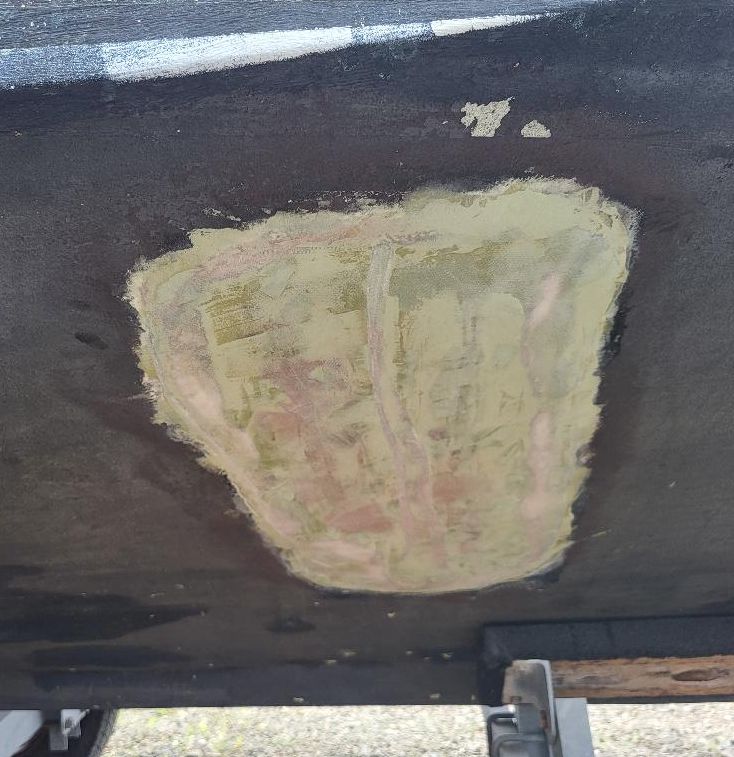
There was one significant fiberglass job — under the boat in 95 degree heat and 100% humidity. The boat handling crew down in Hampton, VA, thought they were doing be a favor when I was touching up the bottom by putting me on a high paint rack, but to do so they had to move the forks on the lift back and forth several times. The front of one of the tines had a piece of rough plastic that tore through the glass but didn’t touch the plywood. So I filled it up with G-Flex epoxy and continued cruising. But I’m sure water got in under the glass and froze and thawed over the winter, separating the glass from the plywood over an area maybe eight inches long and four inches wide that caused a noticeable “bubble” about 1/4 inch thick. So once back in Connecticut, I aggressively ground back to bare wood over a wide area to make sure that no damage remained. A layer of 12-ounce biax, six-ounce twill, hours of filling and sanding, and it looks like new.
And another ode to Bruynzeel plywood: When I peeled the glass off that formed the bubble, the substrate underneath was shiny and perfect, hard without a hint of delamination.
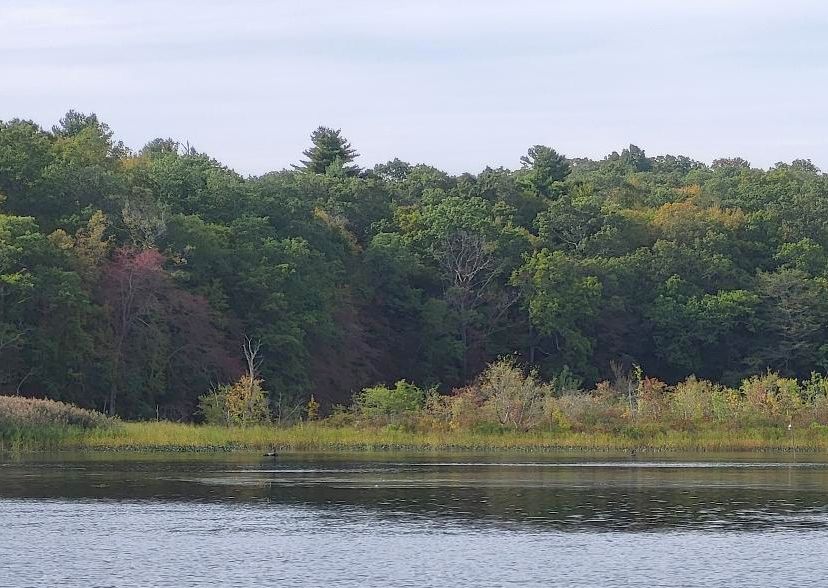
Did some late-summer cruising, but Long Island Sound is not my favorite — too many boats with too many engines hanging off the back, waking Tardis to the gunnels and filling up $5 per foot marinas. But if you look hard enough you can still find places like the Salmon River, a tiny tributary of the Connecticut. It used to be used as the outflow of a nuclear plant, but they tore the whole thing down and turned the area into a nature preserve. Tardis was the only boat in an anchorage full of fish and a sky full of ospreys.
Stay tuned, some interesting projects await in the Spring.



 The Tardis Project
Leave a comment